
The Regenerative Entrepreneur: How does one fund the regenerative transition?
Answer: With cost savings on a scale of $100 trillion

Every problem has hidden within it an opportunity so powerful it literally dwarfs the problem. The greatest success stories were created by people who recognized a problem and turned it into an opportunity. – Joseph Sugarman
Welcome to The Regenerative Entrepreneur – a twice-monthly map of the extraordinary entrepreneurial & career opportunities to be seized in the exponentially-growing fields of regenerative info tech, impact investment and regenerative finance.
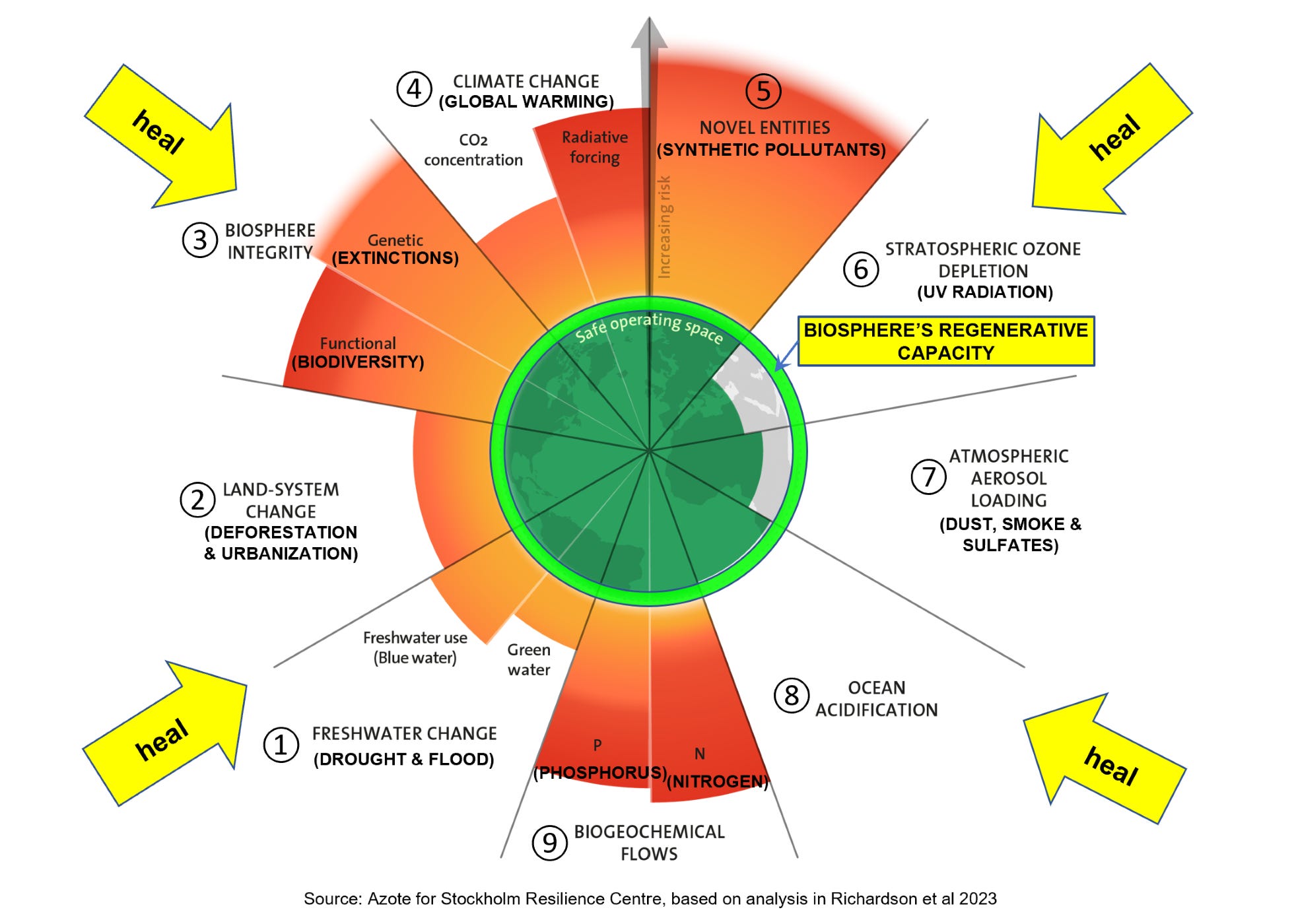
Healing human beings’ physical relationship with the biosphere
To heal human beings’ physical relationship with the biosphere as a whole and initiate the “regenerative transition,” I invented a breakthrough information technology -- called “regenerative information technology” – for supplying people everywhere with “regenerative information services” …
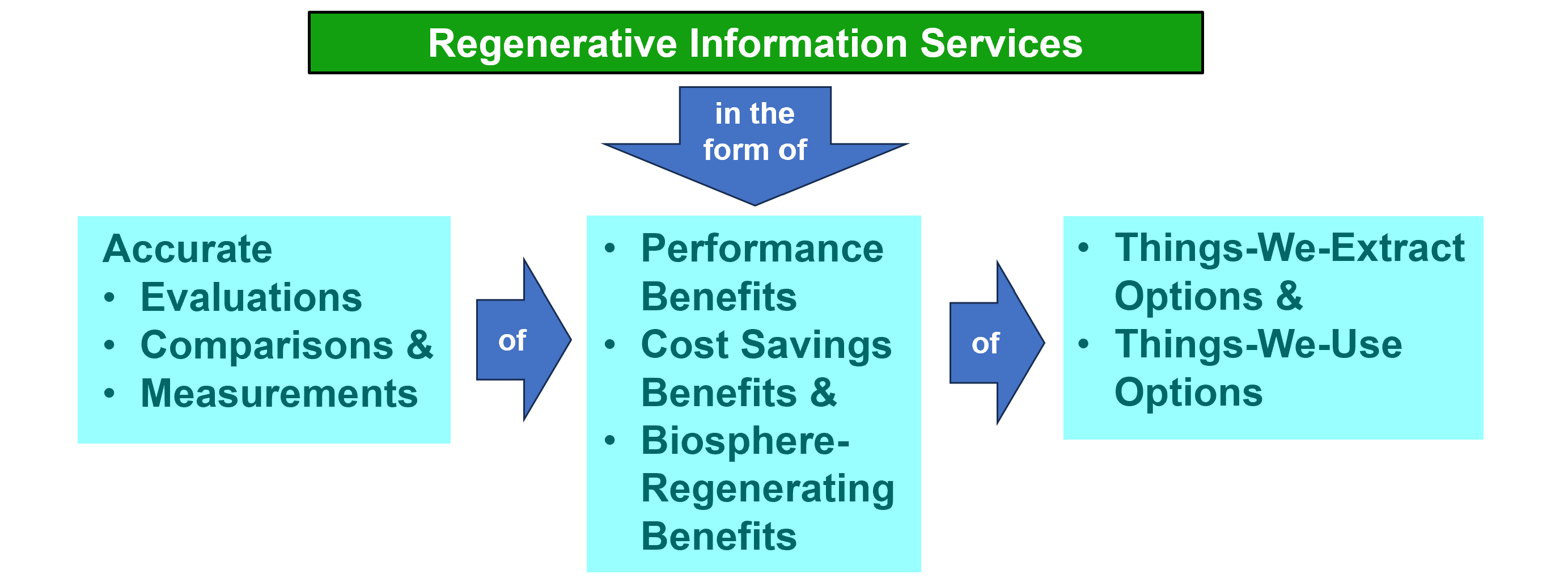
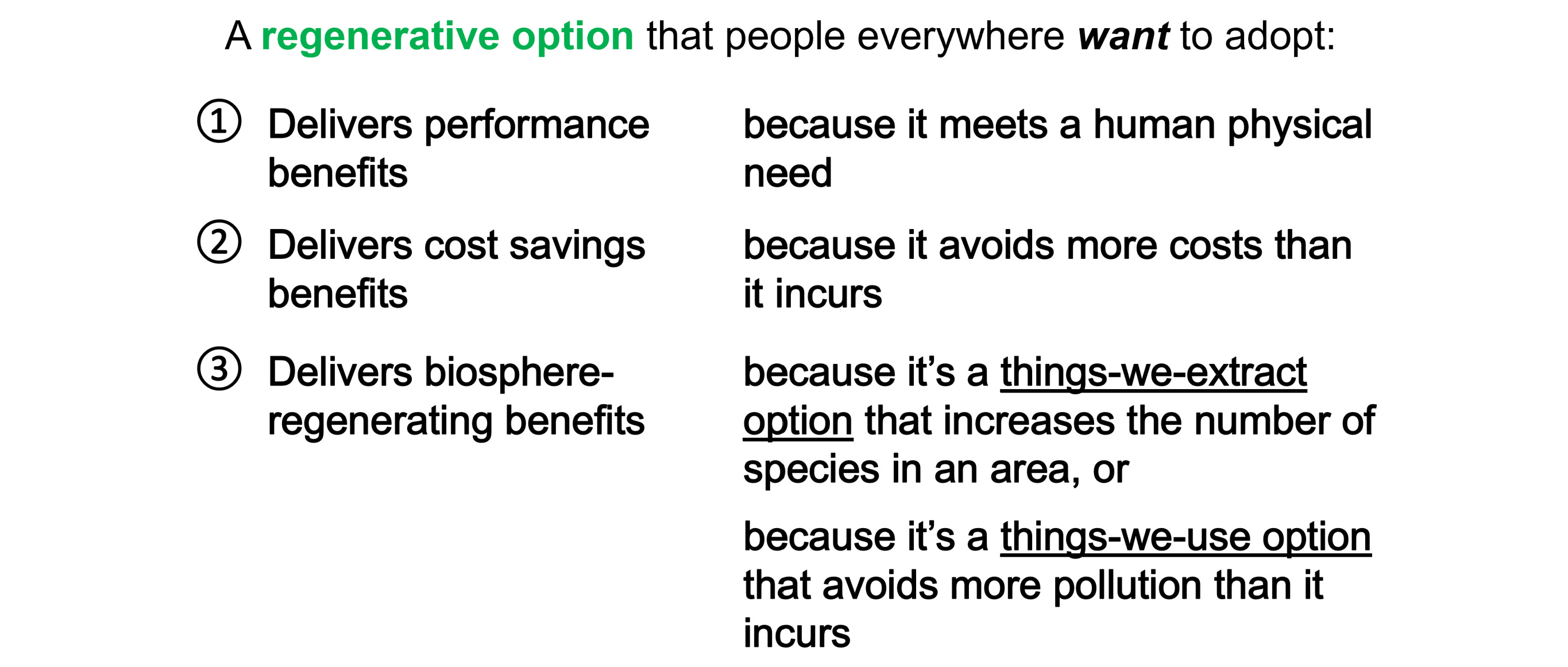
… with which people everywhere persuade themselves, want, decide & act to adopt “regenerative options” for meeting human physical needs …
… and scaling back the human-created things-we-extract flows out of the biosphere[1] and pollution flows into the biosphere[2] (in orange) …
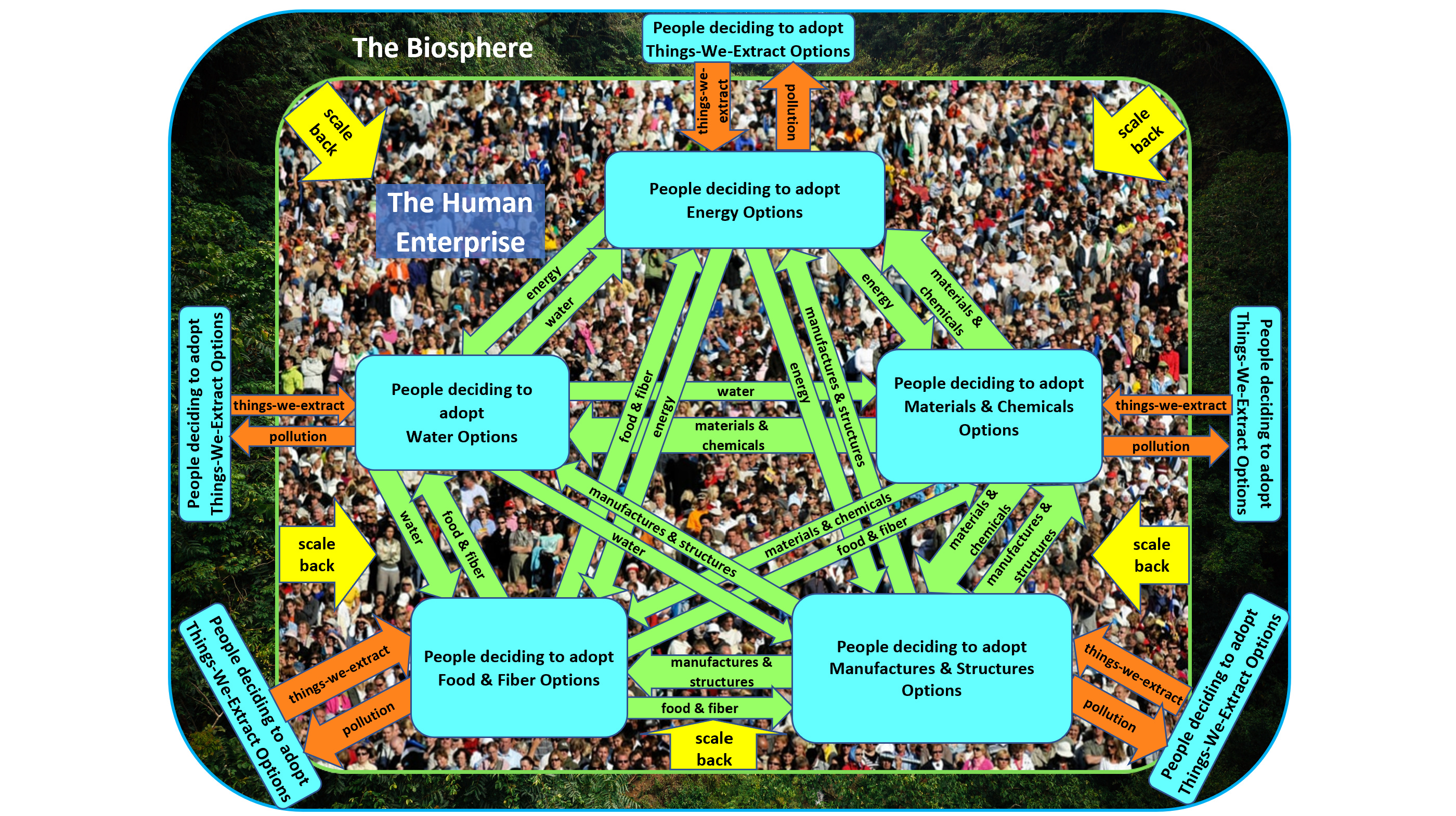
… which allows the biosphere (in deep green) to regenerate itself as a whole, …
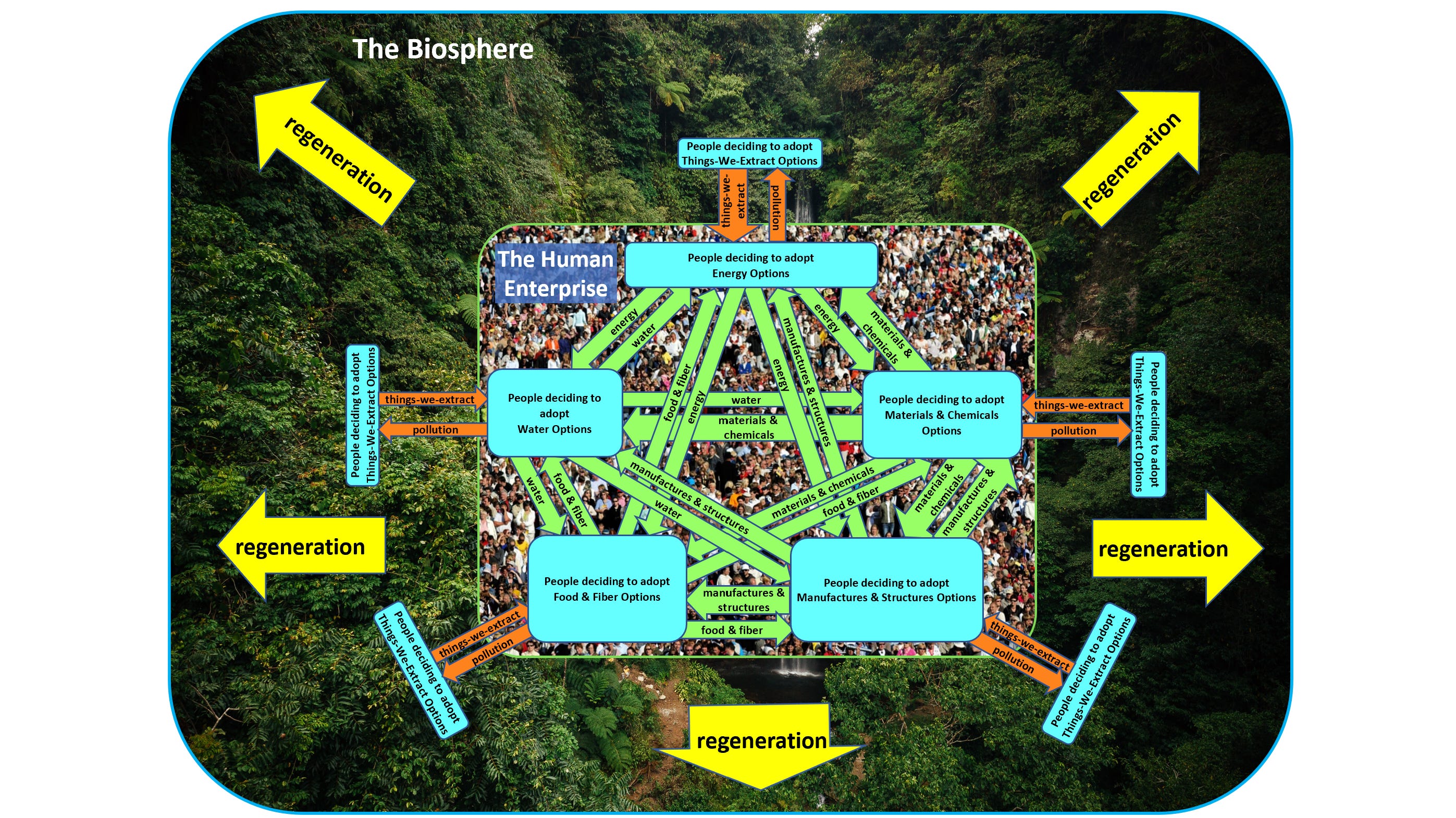
… and allows the creativity and intelligence of the regenerated biosphere as a whole to heal the planet’s ecological crises as a whole (including the climate crisis), …
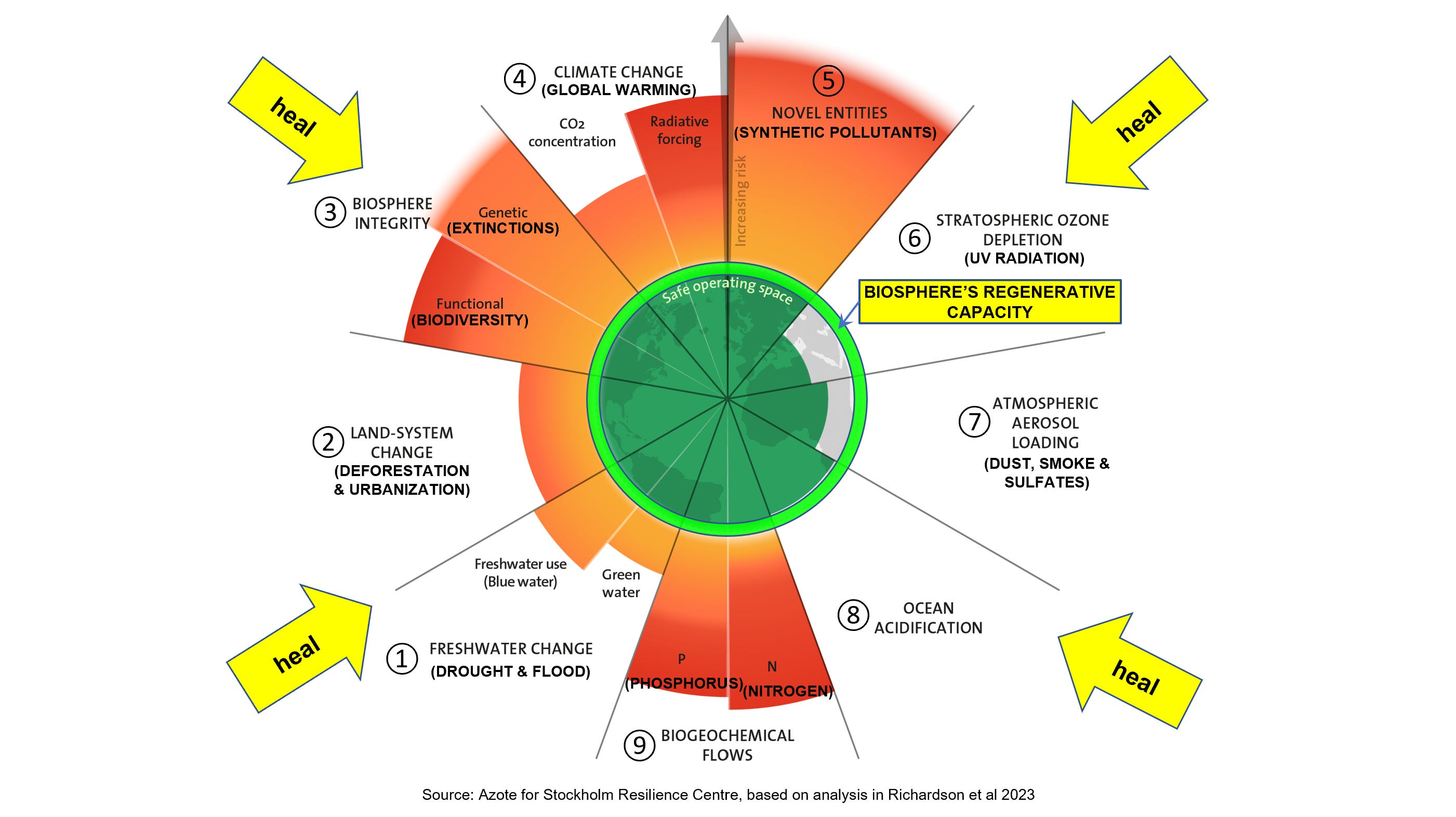
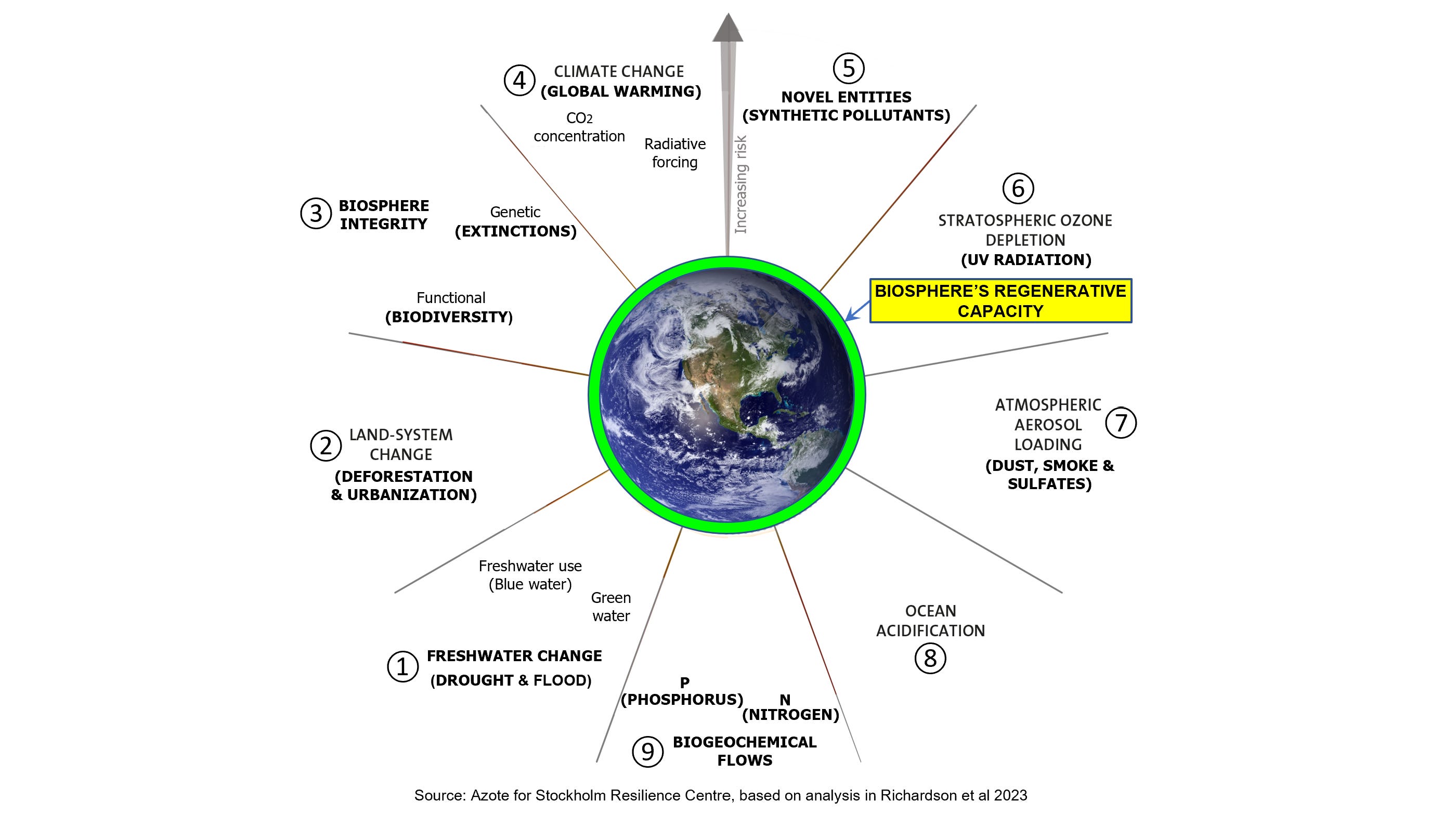
… and allows the regenerative capacity of the biosphere as a whole to meet the physical needs of all its living beings, including its human beings, as a whole …
How does one fund the regenerative transition?
So let’s talk money.
How does one fund a project as ambitious as the regenerative transition for healing the planet’s ecological crises as a whole?
Virtually everyone assumes – from their everyday experiences with government, with large companies, with homeowner associations, etc. -- that any efforts to mitigate or remediate any of the ecological crises will require spending more money from a limited budget.
Virtually everyone assumes – from their everyday experiences as consumers, like shopping for vegetables – that choosing the environmentally-friendly alternative will cost more money than the everyday choice.
What if that’s not the case for healing the planet’s ecological crises as a whole?
What if we have plenty of options – for the things we produce and use for meeting our physical needs – that extract less things from the biosphere (like forests, etc.) or that put less pollution (like carbon dioxide) into the biosphere – and that cost less money (and deliver cost savings) compared to the everyday choice?
Paul Hawken’s Project Drawdown showed the present-day availability of 93 categories of regenerative options for meeting human physical needs that – when widely adopted – were estimated to deliver more than $97 trillion of cost savings (cost savings benefits) and more than 1 trillion tons of avoided greenhouse gas (GHG) pollution (biosphere-regenerating benefits) …

People everywhere wanting and deciding to adopt regenerative options -- that heal the planet’s ecological crises and deliver cost savings benefits on a scale of $97 trillion – makes the regenerative transition self-funding.
Regenerative options that heal the planet’s ecological crises pay for themselves to the extent they deliver cost savings benefits compared to the everyday choice.
Keep reading with a 7-day free trial
Subscribe to The Regenerative Transition to keep reading this post and get 7 days of free access to the full post archives.